Limits of AI: Philosophical & Practical Boundaries
Explores the philosophical and practical constraints facing artificial intelligence systems.
Read more →
I’m a Georgia Tech Computer Science Master’s student specializing in Artificial Intelligence, with experience across UX design, machine learning, product development, technical consulting, and business analysis.
I help bridge the gap between people, data, technology, and business value. My work combines technical problem-solving with human-centered thinking — from understanding user and business requirements to improving workflows, designing intuitive interfaces, analyzing data, and translating complex needs into practical digital solutions.
With experience in Python, SQL, JavaScript, React, Figma, UX research, AI/ML, and client-facing consulting, I can collaborate across product, engineering, data, design, and business teams. I’m especially interested in opportunities in SaaS, ERP, AI platforms, data platforms, and enterprise technology, where I can help organizations make complex systems easier to use, smarter, and more effective.
As a former NCAA Division I athlete and Head Teaching Assistant at Georgia Tech, I bring discipline, reliability, leadership, communication, and execution under pressure to every team I join.
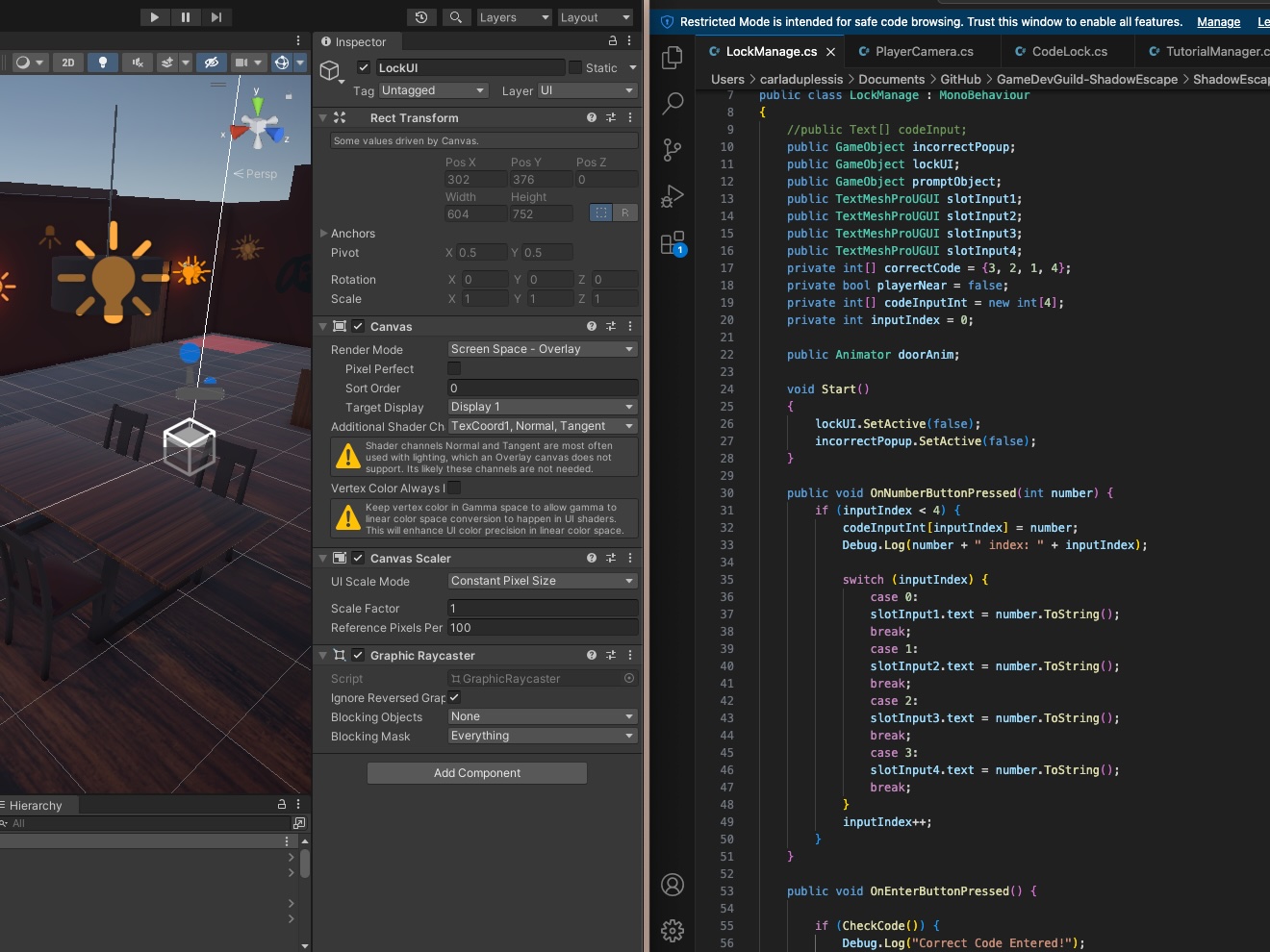
Designing in-game menus and flows that support immersion, clarity, and player experience.
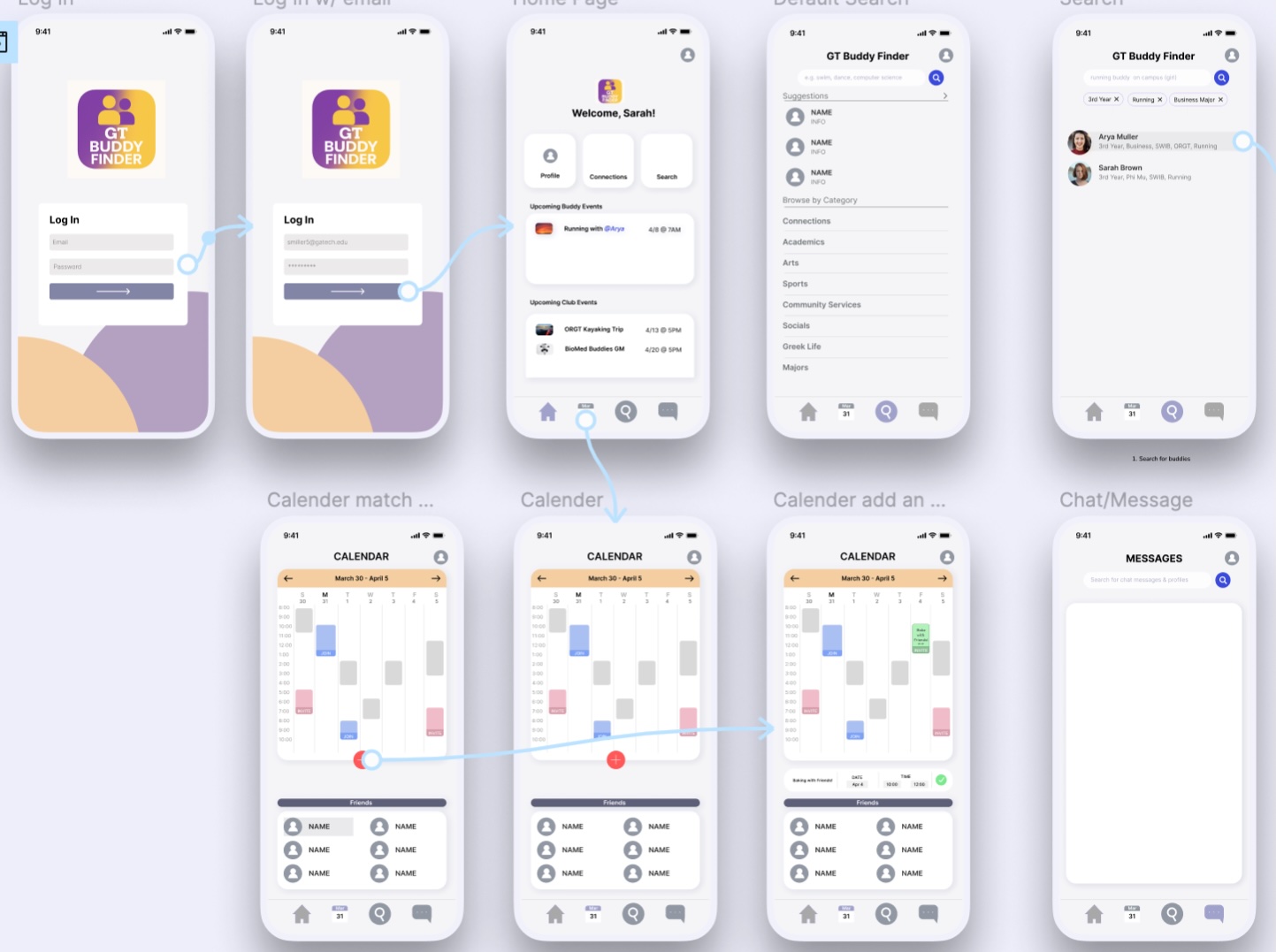
End-to-end UX process for wellbeing and productivity apps: research, evaluations, wireframes, and prototypes.
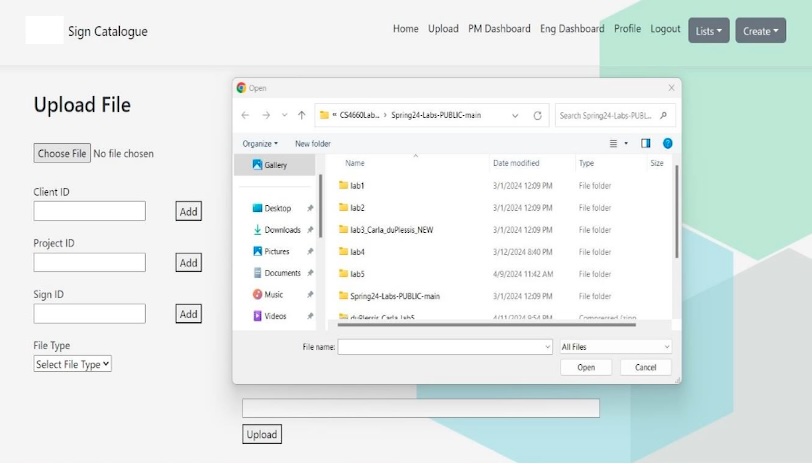
Interfaces for client products that help engineers and project managers search, organise, and manage complex files.
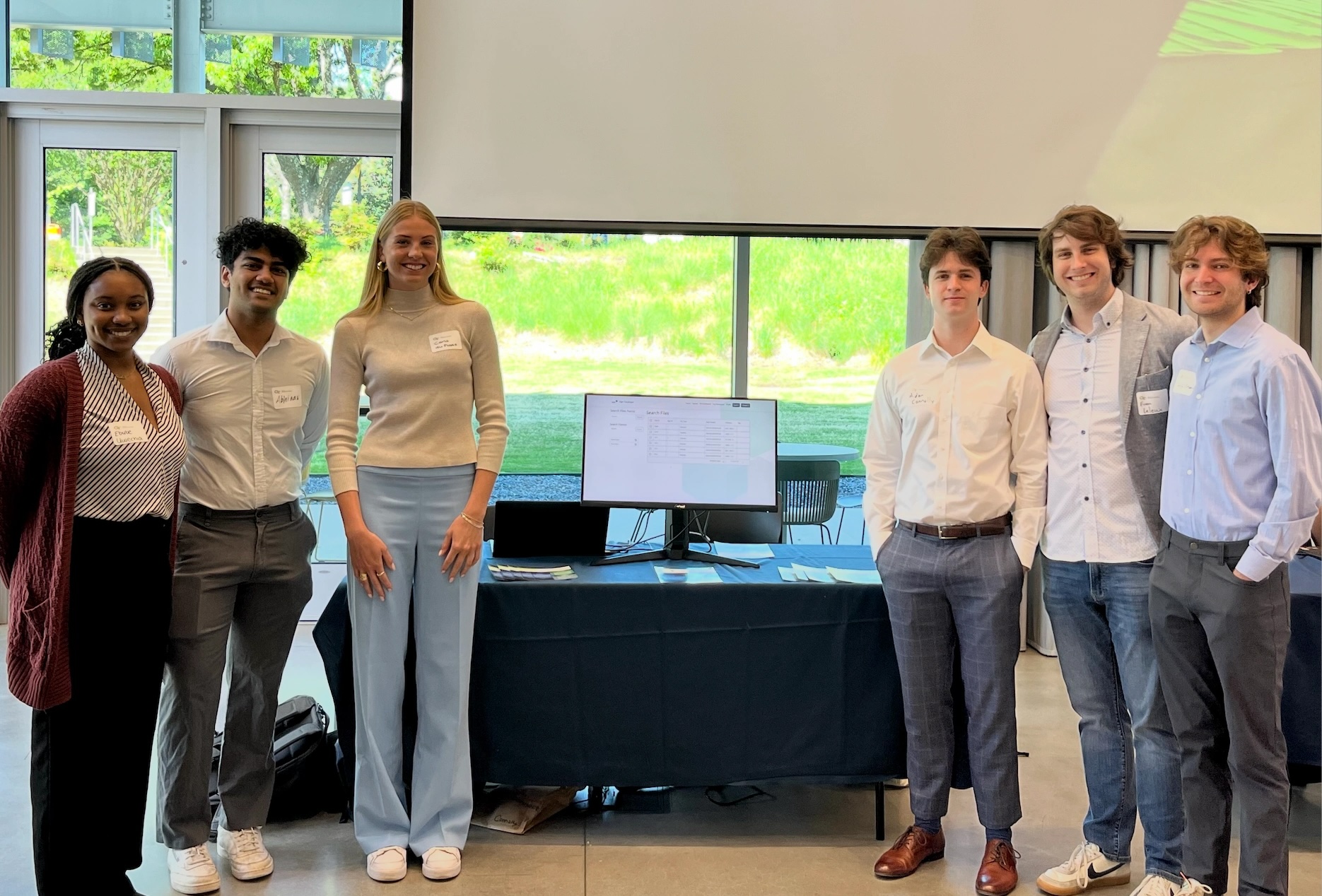
I worked in a cross-functional team as lead graphic designer and project manager alongside four back-end developers, building a web application for a client to replace their existing CAD file management system. The application enabled engineers and project managers to find, save, search, and share design files across the organisation. Timeline: August 2023 – May 2024. You can read more about this project in the Web UI Case Study on the Home page.

Competing as an NCAA Division I Track & Field athlete at Georgia Tech while completing a rigorous CS degree was demanding — and formative. The experience built my resilience, time management, and ability to perform under pressure, and taught me how to collaborate in high-stakes team environments. It's a foundation I draw on every day as a designer and researcher.
I've always been drawn to the intersection of technology and people — a motivation that led me to specialise in Human-Computer Interaction and pursue graduate work in AI. My undergraduate research explored the philosophy of artificial intelligence, examining AI's cognitive limits, societal implications, and ethical challenges. I continue to pursue this work at the graduate level.
Explores the philosophical and practical constraints facing artificial intelligence systems.
Read more →Considers the limitations of machine simulations that imitate human cognitive tasks, highlighting the uniqueness of mental models, perceptions, and representations.
Read more →As AI systems become increasingly embedded in daily life, our growing reliance on them poses significant ethical concerns — particularly around bias and informed human decision-making. This paper examines how frequent exposure to AI recommendations can reinforce cognitive biases and social disparities. Drawing on Vicente and Matute (2023), it explores how users reproduce AI-generated biases such as anchoring and hindsight bias in medical diagnosis tasks. Fazelpour's (2021) work underscores how AI systems can propagate dominant Western-centric norms, creating systemic inequities in algorithmic outputs. Chan et al. (2024) stress the importance of diverse global representation in AI development. Fogliato et al. (2022) further demonstrate the limitations of humans-in-the-loop systems, where users either blindly accept or entirely distrust algorithmic outputs. This paper concludes with recommendations for equitable AI development and human-in-the-loop systems that support rather than replace human judgement.
Contact me